
Exploring the cultural significance of casinos in modern society
Exploring the cultural significance of casinos in modern society
The Historical Context of Casinos
Casinos have evolved significantly over centuries, transforming from small gambling establishments to grand entertainment complexes. Their origins can be traced back to ancient China, where the first forms of gambling emerged through games of chance. By the time they reached Europe, particularly in the 17th and 18th centuries, casinos became a staple of high society, frequented by the elite who sought both entertainment and social status. This historical context lays the groundwork for understanding their current cultural relevance. In contemporary times, places like Pinco Casino have adopted these principles while offering a modern twist on traditional gaming experiences.
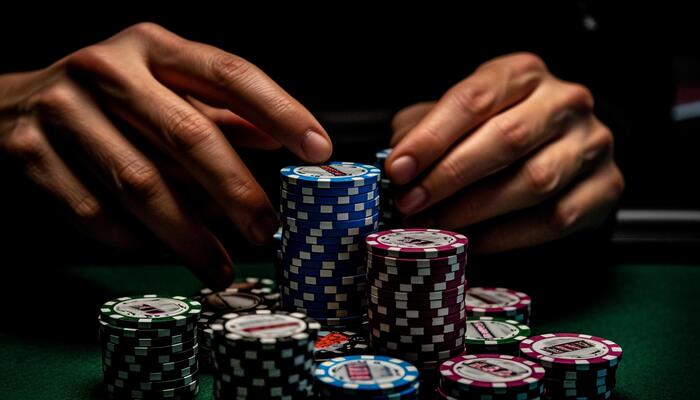
The establishment of the first official casino in Venice in 1638 marked a turning point in gambling history. This venue set the standard for future casinos, blending entertainment with luxury. As the popularity of casinos spread, they became symbols of wealth and extravagance. This association with affluence continued into the modern era, influencing public perception and cultural significance, making casinos not just places of chance but also social hubs.
Throughout history, various cultures have viewed gambling through different lenses, with some considering it a vice while others embraced it as part of their social fabric. In many societies, casinos serve as cultural landmarks, representing local history and identity. Today, they are often linked to tourism, drawing millions of visitors who contribute to the economy while simultaneously fostering a sense of community around these entertainment hubs.
The Social Dynamics Within Casinos
Casinos are microcosms of society, reflecting a diverse range of social dynamics. They attract a variety of individuals, from casual players to high rollers, creating an environment rich with interaction and shared experiences. This communal aspect fosters a sense of belonging, where individuals can come together to engage in a shared passion for games of chance. The social interactions that occur within casinos can lead to friendships and connections that extend beyond the gambling tables.
Moreover, the unique ambiance of casinos enhances social interaction. The sights and sounds of gaming machines, laughter, and cheers create an exhilarating atmosphere that invites players to engage with one another. Many casinos offer social amenities such as bars, restaurants, and entertainment shows, further promoting interaction among guests. This blend of gaming and socialization highlights casinos as spaces for not just gambling, but also for creating memories and relationships.
Additionally, the role of casinos in society extends to their function as venues for events and performances. Many casinos host concerts, comedy shows, and other forms of entertainment, attracting audiences beyond the gambling community. This diversified entertainment offering positions casinos as cultural centers, contributing to the local arts scene and providing a platform for artists to showcase their talents while enriching the community’s social landscape.
Casinos and Economic Impact
The economic significance of casinos cannot be overstated, especially in regions where they are prevalent. They contribute significantly to local economies through job creation, tourism revenue, and tax income. Casinos provide thousands of jobs ranging from hospitality to gaming management, helping to boost employment rates in their respective areas. This economic impact is particularly beneficial in regions that may struggle with high unemployment rates, showcasing how casinos can drive economic development.
Moreover, the influx of tourists to casinos stimulates local businesses, including hotels, restaurants, and retail shops. Tourists often spend money not just within the casino but also in the surrounding area, thus supporting local entrepreneurs and generating additional tax revenues for municipalities. This symbiotic relationship between casinos and local economies illustrates their importance in fostering economic growth and community development.
However, it is essential to recognize the potential downsides. The economic benefits of casinos can be accompanied by social challenges, including gambling addiction and its consequences. Responsible gaming initiatives are crucial to mitigate these risks, ensuring that the economic advantages do not come at the expense of community well-being. Through education and support, casinos can play a pivotal role in promoting responsible gambling and supporting those affected by addiction.
The Cultural Representation of Casinos in Media
Casinos have long been a focal point in media representations, influencing public perception and cultural attitudes toward gambling. Films, television shows, and literature often depict casinos as glamorous and enticing locations, filled with excitement and the promise of fortune. This portrayal has contributed to the romanticization of gambling, capturing the imagination of audiences worldwide and shaping their views on the casino culture.
Iconic films such as “Casino” and “Ocean’s Eleven” have solidified casinos in popular culture, presenting them as hubs of intrigue and adventure. These narratives often highlight the allure of risk and reward, emphasizing the thrill of gambling while also showcasing the darker aspects of addiction and crime. This duality enriches the cultural tapestry surrounding casinos, prompting discussions about the ethical implications of gambling within society.
In addition to films, reality television series featuring casino settings have further popularized the gambling culture. These shows often highlight the lifestyles of high-stakes players and the intense emotions associated with gambling. By showcasing both the excitement and the risks involved, media representations serve to normalize gambling as a form of entertainment, influencing societal attitudes and behaviors toward casinos and gambling activities.

Exploring Pinko Casino’s Role in the Modern Gaming Landscape
As a premier online gaming destination, Pinko Casino plays a significant role in the evolving landscape of casinos in modern society. Catering specifically to Canadian players, Pinko Casino offers a diverse selection of games, including slots, live dealer options, and table games, reflecting the current demand for immersive gaming experiences. This online platform exemplifies how technology has reshaped the casino industry, making it more accessible to a broader audience.
The focus on responsible gaming at Pinko Casino underscores the importance of creating a safe and enjoyable environment for all players. With features designed to promote healthy gaming habits, the casino aims to ensure that entertainment does not lead to harmful consequences. This commitment to safety resonates with the cultural shift toward awareness and responsibility within the gambling community.
Furthermore, Pinko Casino’s emphasis on customer support and engagement enhances the overall gaming experience. By providing round-the-clock assistance and fostering a user-friendly platform, it caters to the needs of modern players who seek convenience and security. As the gaming industry continues to evolve, Pinko Casino exemplifies the blend of innovation and tradition, demonstrating its cultural significance in the contemporary casino landscape.

